
科技類資訊分享,主要會是區塊鏈知識和 AI 分享
IG : https://www.instagram.com/the.blockspace
TG: https://t.me/theblockspaces
IG : https://www.instagram.com/the.blockspace
TG: https://t.me/theblockspaces

★ When and how to use frameworks:
Developers start by using LLM APIs directly: many patterns can be implemented in a few lines of code. If you do use a framework, ensure you understand the underlying code. Incorrect assumptions about what's under the hood are a common source of customer error.
★ When to use agents:
Agents can be used for open-ended problems where it’s difficult or impossible to predict the required number of steps, and where you can’t hardcode a fixed path. The LLM will potentially operate for many turns, and you must have some level of trust in its decision-making. Agents' autonomy makes them ideal for scaling tasks in trusted environments.
The autonomous nature of agents means higher costs, and the potential for compounding errors. We recommend extensive testing in sandboxed environments, along with the appropriate guardrails.
https://www.anthropic.com/engineering/building-effective-agents
Developers start by using LLM APIs directly: many patterns can be implemented in a few lines of code. If you do use a framework, ensure you understand the underlying code. Incorrect assumptions about what's under the hood are a common source of customer error.
★ When to use agents:
Agents can be used for open-ended problems where it’s difficult or impossible to predict the required number of steps, and where you can’t hardcode a fixed path. The LLM will potentially operate for many turns, and you must have some level of trust in its decision-making. Agents' autonomy makes them ideal for scaling tasks in trusted environments.
The autonomous nature of agents means higher costs, and the potential for compounding errors. We recommend extensive testing in sandboxed environments, along with the appropriate guardrails.
https://www.anthropic.com/engineering/building-effective-agents

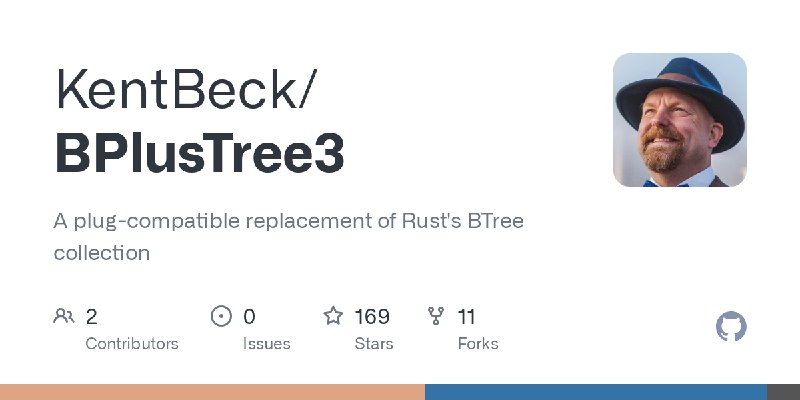
非常好的 claude code 的用法,寫各種文檔 plan 讓 AI 可以逐一檢查
https://github.com/KentBeck/BPlusTree3/tree/main/rust/docs
https://github.com/KentBeck/BPlusTree3/tree/main/rust/docs